Pacific Offshore Expeditions
Channel Islands
Why Do Orcas Love the Channel Islands?
These factors all contribute toward making California's Channel Islands a Killer Whale Hotspot
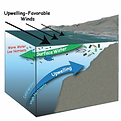
It's Windy
This creates huge upwelling of ocean waters that kickstart massive productivity and food chains. (It also means our trips have a high cancellation rate, so be prepared for the possibility of rescheduling).
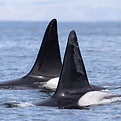
It's a good place to wait out the winter
The coastal waters of Northern California and Oregon turn cold and unproductive from November through March. This is due to less sunlight at higher latitudes and large storm systems dropping ocean temperatures. The Channel Islands remain productive with the influence of warmer water from the south.
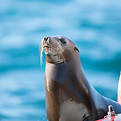
There's hundreds of thousands of pinnipeds
Seals and Sea Lions are the primary food source for Orcas.
Population by species among Channel Islands:
California Sea Lions: 200,000+
Elephant Seals: 150,000+
Northern Fur Seals: 13,000+
Harbor Seals: 5,000+
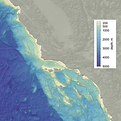
Geographic Inflection Point
The California Coast has a north-south orientation with homogeneous bathymetry until the Channel Islands. Amongst the Islands, upwelling and food-chains can become more dynamic and concentrated, leading to higher prey density for Killer Whales.
Most Frequently Sighted Killer Whale Families.
All identifications, life histories, and catalog numbers courtesy of our friends at California Killer Whale Project
This data is from sightings made by Pacific Offshore from December 2023 through June 2025. In that time we have had 60 Killer Whale encounters in the Channel Islands
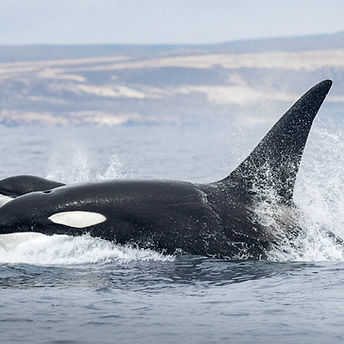
12 sightings
CA138s
7 members total, 1 adult male
Our most frequently sighted family! We have seen them close to San Nicholas, Santa Rosa, and San Miguel Islands.

10 sightings
CA39As
4 members total, 1 sprouter male
Runners up for most frequently seen. Sightings near Santa Cruz, Santa Rosa, and San Miguel Islands.

9 sightings
CA27s
13 members total, 1 adult male
Seem to prefer San Miguel Island, but in Nov 2020 we saw them at San Nicolas. This family is often split up and not seen all at once.

7 sightings
CA216s
13 members total, including "Frosty!". Mostly we see CA216B and CA216C families.
Frosty and Family seen many times in the eastern SB Channel winter of 2025. Also near San Miguel along with "Jagged's Pod"

7 sightings
CA23+CA10
2 members, but often 3 other 23As present as well
They are big fans of Santa Rosa and San Miguel

5 sightings
CA51As+CA50B
6 family members plus CA50B "Uncle Jimmy"
We've seen them at Santa Cruz and San Miguel Island and also along the Gaviota Coast. They also frequent the mid and eastern Santa Barbara Channel